
 US Dollar

Building a Reliable High-Performance Vehicle on Any Budget
Posted by Steve on 13th Feb 2026
Whether the project involves swapping intake manifolds, dialing in a camshaft, or dreaming about boost, the goal always stays the same: make the car faster, sharper, and more fun to drive. Big horsepower parts tend to steal the spotlight, but real performance gains often come from changes that make better use of what the vehicle already has. Read on to learn tips for building a reliable high-performance vehicle on any budget, where smart upgrades beat expensive shortcuts.
Remove Unnecessary Weight
Weight reduction remains one of the most effective performance upgrades because it improves every aspect of how a vehicle behaves. Less mass means quicker acceleration, shorter braking distances, and improved cornering response, all without increasing mechanical stress on the engine or drivetrain. Start by removing components that do not contribute to driving performance, such as your rear seats.
You can also focus on weight reduction in areas high in the chassis. Removing weight from the rear improves balance, while reducing mass up high helps suspension respond more accurately. Whether the engine runs stock internals or upgraded cylinder heads, weight reduction always pays dividends.
Install Tires Designed for Grip

If power is the message, tires are the messenger, because they decide how much performance actually reaches the pavement. Factory all-season tires prioritize longevity and ride comfort, not aggressive driving or hard launches.
Replacing them with summer performance tires or drag radials instantly improves acceleration, braking, and cornering. Choose tire width and compound based on vehicle weight and power output, not looks.
Oversized tires increase rolling resistance without improving grip. Proper tire selection reduces wheel spin, protecting axles, differentials, and transmissions stressed by torque from turbochargers or superchargers. Good tires can turn available power into usable speed.
Upgrade Your Shocks and Springs
Suspension control matters because power is useless if the chassis cannot manage it. Worn factory shocks allow excessive body movement that wastes traction and makes the vehicle feel unstable.
However, replacing them with performance dampers and matched springs improves weight transfer during acceleration, braking, and cornering. These upgrades make the vehicle feel quicker and more predictable.
Use adjustable shocks when possible to fine-tune ride quality and performance. Firmer damping improves control during spirited driving, while softer settings maintain street comfort. Proper suspension tuning also reduces wheel hop, which protects driveline components under load. Suspension control becomes increasingly important as torque increases from airflow upgrades or forced induction.
Replace Soft Suspension Bushings
Another strategy for building a reliable high-performance vehicle on any budget is to replace soft suspension bushings. Factory rubber bushings flex because manufacturers build them for comfort, not precision. Under hard acceleration or cornering, that flex allows suspension geometry to change unpredictably.
When you replace them with polyurethane or spherical alternatives, you’ll keep alignment angles stable. Improved geometry translates directly into better grip and steering response.
After upgrading bushings, perform a performance alignment to take full advantage of the added rigidity. Increased negative camber and optimized toe settings improve tire contact with the road during aggressive driving. Stable geometry reduces uneven tire wear and improves predictability. These changes sharpen handling without increasing power.
Optimize Gearing for Acceleration
Gearing plays a major role in how fast a vehicle feels because it controls how torque is multiplied. Shorter rear gears allow the engine to reach its power band more quickly and stay there longer. This improves throttle response and off-the-line acceleration without touching the engine. Gearing changes often feel more dramatic than intake manifold swaps.
Select gear ratios based on tire diameter, transmission ratios, and intended driving. Avoid gears that force excessive highway RPM or reduce drivability. Proper gearing supports engines with everything from mild camshaft upgrades to improved airflow combinations. Smart gearing maximizes usable power.
Upgrade Your Brakes for Performance Driving
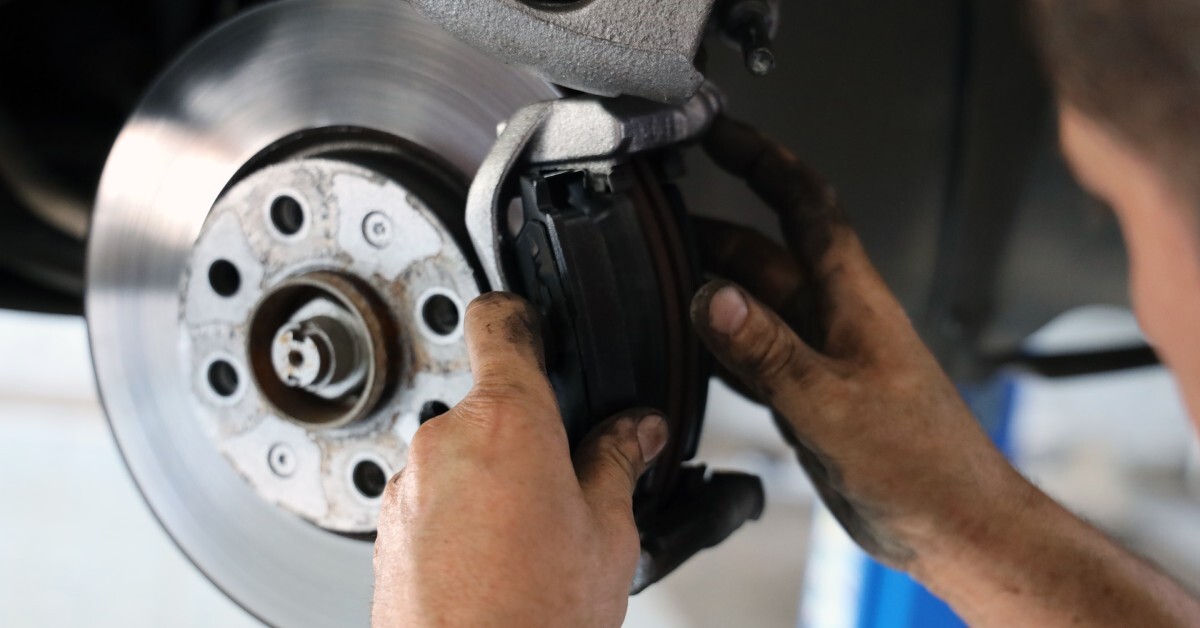
Going faster means nothing if stopping becomes an adventure. Factory braking systems often struggle once speed and grip increase, even if horsepower remains modest. Upgrading pads, rotors, and brake fluid improves stopping distances and resistance to fade. Better brakes allow drivers to push the vehicle confidently.
Choose brake components that match your vehicle’s weight and driving style. Performance pads offer a stronger bite and higher temperature tolerance. Consistent braking improves vehicle balance and control during aggressive driving. Reliable stopping power completes the performance equation.
Improve Cooling and Heat Management
Heat can quietly rob you of performance long before parts actually fail. As engines work harder, temperatures rise and efficiency drops. Upgrading radiators, improving airflow, and stabilizing oil temperatures keep performance consistent under load. Cooling upgrades protect reliability.
Heat management becomes even more critical with turbocharged engines and other power adders. Exhaust heat affects surrounding components and fluids. Oil coolers, heat shielding, and proper ventilation can also help you extend component life.
Add Power in Controlled Increments
Power adders deliver fast results, but restraint keeps them reliable. Turbochargers and superchargers amplify both strengths and weaknesses within an engine combination. Starting with conservative boost levels allows supporting systems to keep up.
You should also apply the same approach to nitrous oxide systems. Begin with small shots and verify fueling and timing control before increasing output. Progressive controllers improve consistency and reduce shock loading.
Tune for Real Driving Conditions
A tune determines how all performance parts work together in the real world. Aggressive dyno numbers mean little if drivability suffers. Focus on smooth throttle response, safe air-fuel ratios, and conservative ignition timing. Good tuning can help protect your engine.
Ensure the tune accounts for temperature changes and fuel quality variations. Street-driven vehicles benefit from consistent calibration across conditions. Reliable tuning maximizes every upgrade.
Maintain the Vehicle Proactively
As performance improves, maintenance becomes more important. Increased stress accelerates wear on fluids, belts, and fasteners. By performing regular inspections, you can catch small issues before they escalate and prevent future downtime.
Adjust your inspection intervals based on usage. Track-driven vehicles require more frequent checks than street cars. By addressing minor problems immediately, you can avoid expensive repairs and keep your vehicle’s performance reliable.
Improving vehicle performance on a budget comes down to smart decisions and well-timed upgrades. Taking steps like reducing your vehicle’s weight, improving traction, tightening the suspension, and managing heat all deliver meaningful gains. These changes make cars faster, more controlled, and more enjoyable without sacrificing reliability.
You can also improve your vehicle’s performance by sourcing dependable components from a high-performance car parts store like Scram Speed. Contact us today to learn more about our products from our expert staff members, who also provide installation services. We can help you keep your project moving forward.