
 US Dollar

Carburetors vs. EFI: Performance Breakdown
Posted by Steve on 2nd Feb 2026
The debate over fuel delivery is one of the oldest and most passionate in the hot rodding world. For decades, gearheads have argued, tinkered, and raced to prove whether carburetors or electronic fuel injection (EFI) reigns supreme on the street and the strip.
This long-standing rivalry pits old-school mechanical artistry against modern digital precision. To settle the score for your build, learn more in this performance breakdown.
What Exactly Is a Carburetor?
A carburetor is a beautifully simple, purely mechanical device that sits atop your engine's intake manifold. Its job is to mix air and fuel into a combustible vapor to feed your engine. It operates on a principle known as the Venturi effect.
As air rushes through the carburetor's throat, its velocity increases, and pressure drops. This low-pressure area, or vacuum, draws fuel from the carburetor's float bowl through small passages called jets. The fuel then atomizes into the incoming air, creating the mixture your engine needs to make power.
Think of it as a controlled fuel leak, orchestrated by airflow and physics. Pushing the throttle pedal opens butterfly valves, allowing more air to enter. The increased airflow pulls more fuel through the jets, feeding the engine what it needs to accelerate.
Tuning a carburetor involves physically adjusting components such as jets, power valves, and accelerator pump cams to dial in the ideal air-fuel ratio for your specific engine combination, whether it’s a high-revving naturally aspirated setup or a beast running a healthy shot of nitrous oxide. It's a hands-on process that rewards patience and a good set of tools.
What's the Deal With EFI?
EFI is the carburetor's high-tech descendant. Instead of using vacuum and mechanical jets, EFI employs sensors, an engine control unit (ECU), and electrically controlled fuel injectors to deliver a precise amount of fuel directly into the engine.
The ECU is the brain of the operation, taking real-time data from sensors that monitor everything from engine speed and throttle position to air temperature and oxygen content in the exhaust. It's like having a tiny engineer under your hood making constant adjustments!
The ECU processes this mountain of information thousands of times per second and calculates the exact fuel pulse width required for each injector. This ensures the engine receives the optimal air-fuel ratio under all conditions, from a cold start on a winter morning to a full-throttle blast down the drag strip. This digital control enables high precision, adapting instantly to changes in altitude, temperature, or load.
Whether you’re running a radical camshaft profile or force-feeding your engine with a turbo or supercharger, you can program an EFI system via a laptop to perfectly match the fuel delivery to your performance goals, offering a level of control that mechanical systems can only dream of.
What Makes Carburetors Appealing?
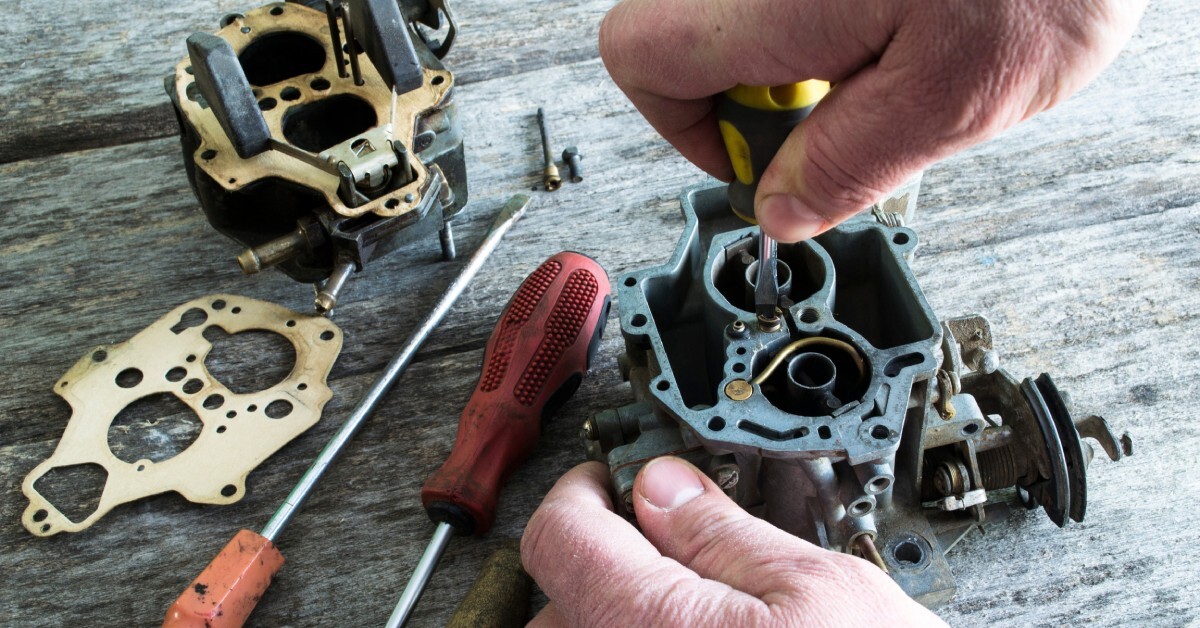
Now that we’ve explained how carburetors and EFI work, we can begin a performance breakdown. One of the biggest draws of a carburetor is its simplicity. There are no wires, sensors, or computers to worry about. This makes installation a breeze! You can have a new carburetor bolted onto your intake manifold and running in no time.
Additionally, with fewer components, there are simply fewer things that can fail. For many builders, especially those working on classic muscle cars or budget-friendly race projects, this plug-and-play nature is a massive advantage.
Cost is another huge factor. A high-performance carburetor is significantly more affordable than a complete EFI conversion kit. You can get a top-tier carb that can support massive horsepower for a fraction of the price of a comparable fuel injection setup.
What Are the Drawbacks of Carburetors?
It’s important to note that the beautiful simplicity of carburetors comes with some trade-offs. Carburetors are sensitive to environmental changes. A carb tuned for a hot summer day at sea level might run rich and sluggish on a cool evening in the mountains.
This is because they can't automatically compensate for changes in air density, temperature, or altitude. For a dedicated race car that always operates in similar conditions, this isn't a big deal, but for a street-driven vehicle, it can be a constant source of frustration.
What Is the Bright Side of EFI?
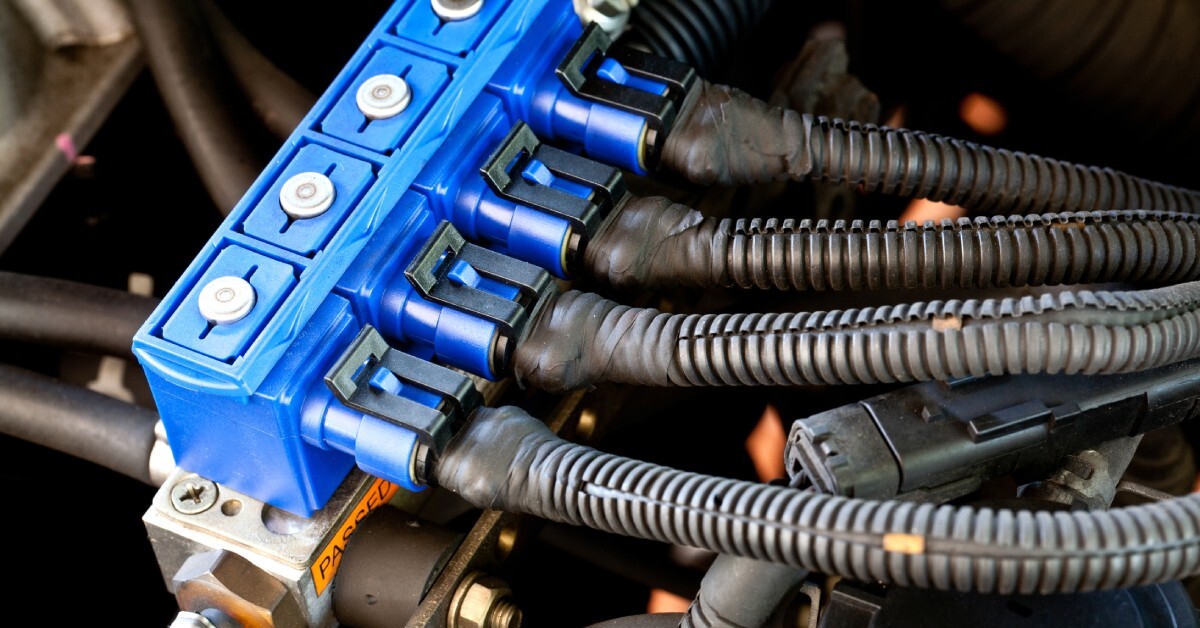
The number one advantage of EFI is its adaptability. The ECU constantly analyzes sensor data and adjusts the fuel mixture in real time. This means your engine will run optimally whether you're cruising on the highway, stuck in traffic, or climbing a mountain pass. This adaptability results in a much more pleasant and consistent driving experience on the road.
From a performance standpoint, EFI offers improved fuel economy, increased horsepower, and improved throttle response across the entire RPM range. This is especially true for complex engine builds, such as those with aggressive cylinder heads, high-lift camshafts, or forced-induction systems like a turbocharger or supercharger.
What Is the Downside of EFI?
The most significant barrier to entry for EFI is cost. A complete, high-quality EFI conversion kit, including the ECU, wiring harness, fuel pump, sensors, and throttle body, can be several times more expensive than a new carburetor. This initial investment can be a tough pill to swallow, especially for builders on a tighter budget.
The complexity of the installation can also be daunting. It involves running extensive wiring, mounting various sensors, and often requires upgrading the fuel system to support the higher pressures EFI systems demand. It's a much more involved process than a simple carb swap.
How Should I Decide?
So, which one is right for you? There is no single correct answer, as the best choice depends entirely on your goals, budget, and personal preference. Neither system is universally superior; they are simply different tools for the same job. The decision comes down to what you value most in your build.
If you prioritize a classic look, mechanical simplicity, and a lower initial cost, a carburetor is an excellent choice. It's perfect for a period-correct muscle car, a budget-friendly bracket racer, or for the builder who enjoys the hands-on satisfaction of mechanical tuning.
However, if your goal is ultimate precision, adaptability to changing conditions, and the ability to fine-tune every aspect of your engine's performance for maximum power and drivability, then EFI is the clear winner. Ultimately, you need to weigh the pros and cons against your specific needs.
No matter which path you choose, building horsepower is all about using high-quality parts that work together in harmony. The right fuel system is a critical piece of that puzzle, and getting it right will make all the difference in how your vehicle performs.
Whether you're a die-hard carburetor fan or an EFI enthusiast, Scram Speed has the components you need to bring your project to life. Contact us today to learn more about our incredible selection of high-performance carburetors and cutting-edge EFI systems.