
 US Dollar
Tips for Building a Reliable High-Performance Fuel System
Posted by Steve on 13th Feb 2026
Cranking up the power in your engine bay is always an exciting project. Maybe you’ve upgraded your camshaft or installed a set of rowdy cylinder heads, which will demand more from your fuel system. Thinking about a nitrous oxide kit later? That’s the final nudge to make sure your system is ready for everything.
However, to avoid sending your engine to an early grave, you need a reliable, high-performance fuel system. Review these essential tips for building one that won't let you down.
Plan Your Fuel System for Future Power
The first rule of building anything high-performance is to plan for more. You might be aiming for 500 horsepower today, but what about next year? It’s far easier and cheaper to build a fuel system that can handle 800 horsepower from the start than it is to tear it all out and replace it when the upgrade bug bites you again.
Think about your ultimate power goals, even if they seem a little ridiculous right now. This foresight will save you headaches, skinned knuckles, and a whole lot of money down the road.
Start With the Fuel Pump
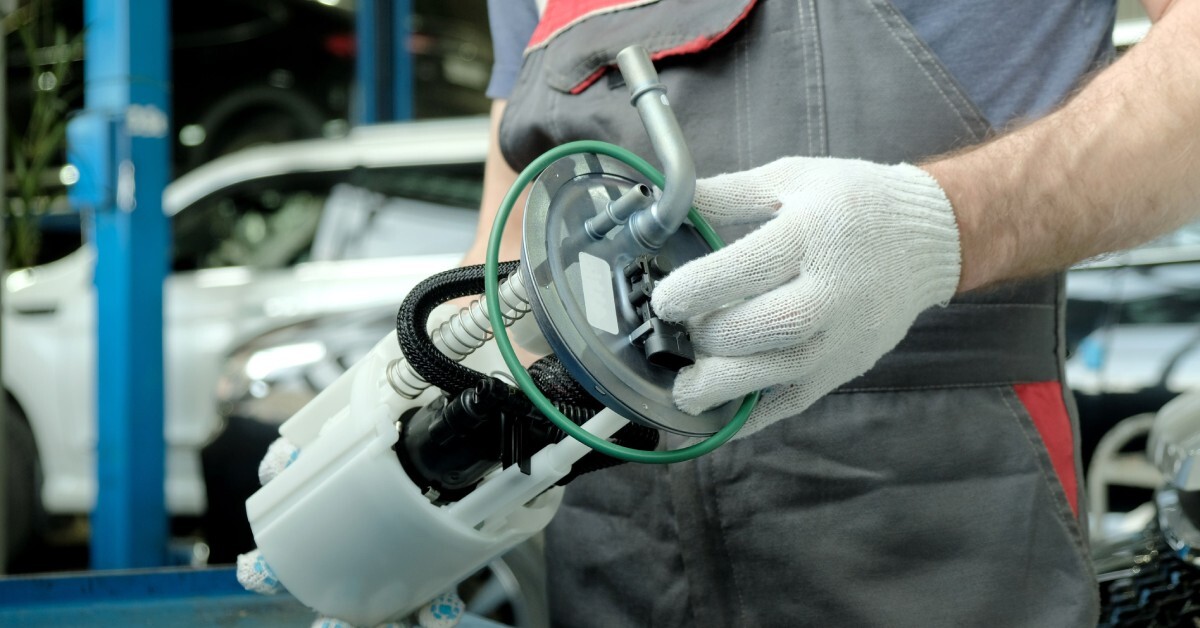
When it comes to high-performance builds, the wrong fuel pump can ruin your party before it starts. There’s a dizzying array of options, from in-tank to external, and from pumps rated for 400 horsepower to those capable of supporting well over 2,000.
Base your choice on your horsepower target, fuel type, and your vehicle's application. Don't cheap out here; a failing fuel pump can cause a lean condition that will instantly destroy thousands of dollars of engine components.
Consider Your Fuel Line Diameter
You wouldn't try to breathe through a coffee straw while running a marathon, so why would you ask your engine to? The diameter of your fuel lines is critical for ensuring your fire-breathing engine gets all the fuel it needs without a drop in pressure.
It’s also crucial to use the right type of line. Modern fuels, especially those with ethanol, can degrade standard rubber hoses over time, leading to leaks and fuel contamination. Additionally, remember to size your feed and return lines appropriately. A restrictive return line can cause excessive fuel pressure.
Don't Forget the Fuel Filter
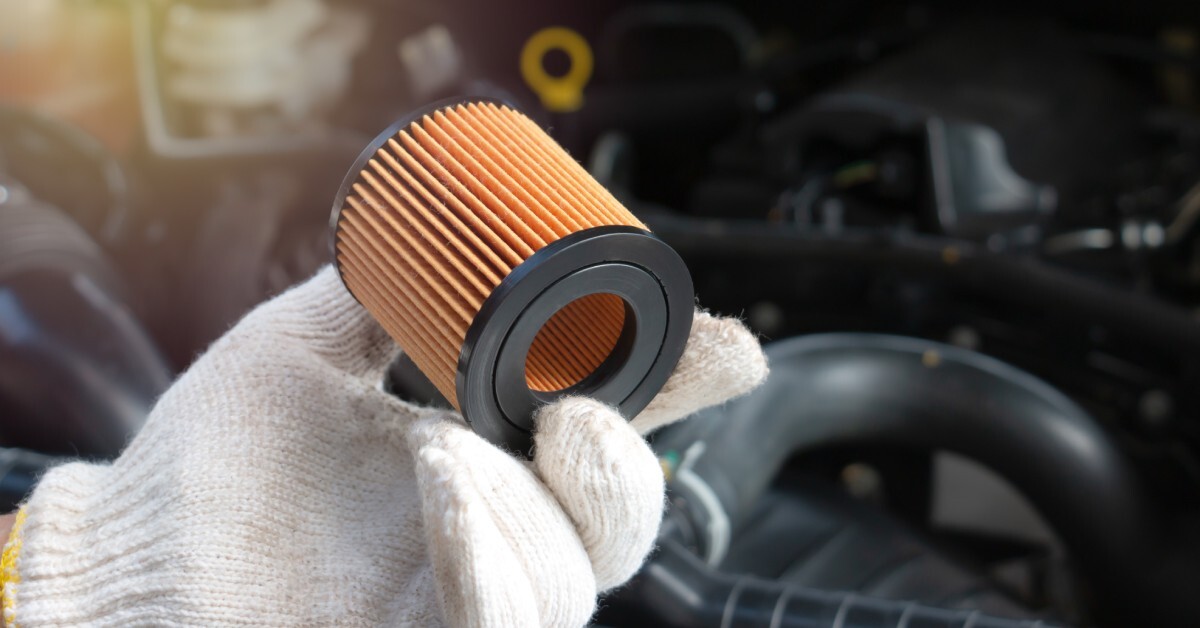
A high-performance engine is a finely tuned machine, and even the smallest contaminants can wreak havoc. A clogged fuel injector can lead to a lean cylinder, detonation, and catastrophic engine failure. That’s why having a quality fuel filter is integral.
Consider both filtration capability and flow rate when choosing a filter. One that is too restrictive will create a bottleneck in your system, negating all the hard work you put into selecting the right pump and lines. In addition, make sure your filters are rated for the type of fuel you are using, especially if you're running E85 or methanol, which require specific filter media.
Pick a High-Quality Fuel Pressure Regulator
Another important tip for building a high-performance fuel system is choosing a high-quality fuel pressure regulator. Although your fuel pump delivers the volume, the regulator provides the control. An adjustable, high-flow regulator is essential for dialing in the correct pressure for your specific setup.
Most aftermarket regulators are vacuum-referenced, which is critical for forced induction applications. When your intake manifold sees boost from a turbo or supercharger, the regulator increases fuel pressure at a 1:1 ratio to ensure the injectors can overcome the intake pressure and deliver the necessary fuel.
Mount the regulator as close to the fuel rail as possible to ensure the most accurate pressure reading and response. A cheap regulator can fail, stick, or provide inconsistent pressure, leading to tuning nightmares and potential engine damage. Invest in a brand with a reputation for quality and reliability. This small component has a massive responsibility, so treat it with the respect it deserves.
Upgrade Your Fuel Injectors
Your fuel injectors are the last stop for the fuel before it enters the combustion chamber. Manufacturers build stock injectors for stock power levels, and they cannot supply the fuel required for significant power gains. Injector sizing is a science, and it’s important to get it right. Calculate the required flow rate based on your target horsepower, number of cylinders, and fuel type.
It's better to have injectors that are slightly too big than too small. If you overwork an injector operating at 95 percent duty cycle, it can become inconsistent and prone to failure. Aim for a duty cycle of 80–85 percent to ensure longevity and consistent performance. When upgrading injectors, make sure they are compatible with your ECU and that your tuner is comfortable working with them.
Make a Difference With High-Flow Fuel Rails
With a massive pump and large lines, you don't want to choke the fuel flow at the very end. Stock fuel rails can restrict flow, causing pressure drops between cylinders, especially on V8 engines.
Aftermarket manufacturers design high-flow fuel rails with large internal bores to ensure each injector receives an equal, consistent fuel supply at a consistent pressure. This helps balance the air/fuel ratio across all cylinders, leading to a smoother, more reliable, and more powerful engine.
Many aftermarket fuel rails also feature extra ports, which are perfect for installing a fuel pressure gauge or a sensor for your data logger. Companies also often machine them from billet aluminum, which nods to better performance and adds a professional, finished look to your engine bay.
Remember That Proper Wiring Is Critical
You can have the best fuel pump in the world, but it won't perform correctly if it's not getting enough voltage. Usually, the factory wiring for a fuel pump is thin and not up to the task of powering a high-flow aftermarket unit. This voltage drop can significantly reduce the pump's output, especially under load when you need it most.
Run a new, thicker-gauge wire directly from the battery to a relay, then to the pump. Use the original factory wiring to trigger the relay. This ensures the pump receives full battery voltage, allowing it to operate at its full potential. A proper wiring setup is a simple, cheap, and critical step for ensuring your expensive fuel system can do its job.
Building a performance engine is an exercise in creating a balanced system, and the fuel system is one of its most critical parts. By taking the time to plan your build and invest in quality components, you can create a foundation for reliable power.
Scram Speed can help you build a robust fuel system that lets you push your engine. Contact us about our selection of products, including high-quality AN fuel fittings, to build it right the first time.