
 US Dollar

What Defines a High-Performance Car Part?
Posted by Steve on 13th Jan 2026
People use the term "high-performance" a lot in the automotive world. You can even find it on parts that offer little more than a shiny finish and a higher price tag. This can make it tough to figure out what will make your car stronger or faster.
So, what defines a high-performance car part beyond just marketing hype and a slick logo? Find out the answers below so that you can get your money’s worth the next time you pay for components for your ride.
Beyond Stock: The Core Principles of Performance
At its heart, a high-performance automotive part is any component designed to measurably improve a vehicle's capabilities. This could mean more horsepower, better handling, or faster stopping.
Unlike a standard replacement part, which aims to replicate the factory function, a performance part aims to surpass it. There are key pillars that separate the real deal from the pretenders.
Material Science Matters
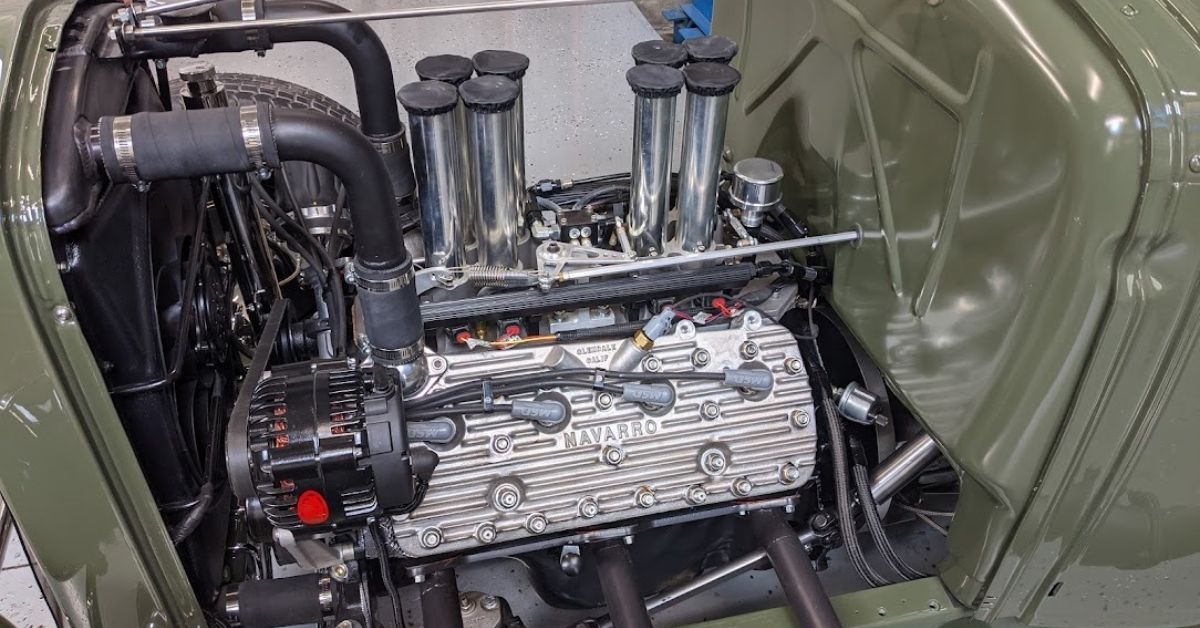
One of the most significant differentiators is the material used. Factory parts often feature materials that balance cost, durability, and comfort for the average driver. Think cast iron, standard steel, and various plastics.
However, manufacturers of high-performance parts often use exotic and advanced materials that prioritize strength and low weight above all else. For example, forged aluminum is much stronger and lighter than its cast counterpart, making it ideal for components like pistons and control arms that must withstand extreme stress.
Then you have materials like chromoly steel, titanium, and carbon fiber. Chromoly is a steel alloy that offers a fantastic strength-to-weight ratio, which is why it’s a go-to for roll cages, chassis components, and axles.
Titanium takes it a step further, offering superior strength and heat resistance for its weight, appearing in high-end exhaust systems and internal engine components, such as valves and connecting rods. Carbon fiber, once reserved for aerospace and top-tier racing, is now more common for body panels, driveshafts, and intake manifolds, where shedding every possible ounce is the goal.
Engineering for Extremes
Two other elements that define a high-performance car part are engineering and design. A high-performance part isn't just a copy of a stock part made from a better material; it's often completely re-engineered from the ground up.
This process involves sophisticated tools like computer-aided design and finite element analysis to simulate stresses and identify potential failure points. This lets engineers optimize the part’s geometry for maximum strength while removing unnecessary material to reduce weight.
This advanced engineering also applies to fluid dynamics. For instance, a performance intake manifold has runners that are meticulously shaped to improve airflow into the cylinders. Similarly, a high-quality set of headers features smooth, mandrel-bent tubes of a specific length and diameter to optimize exhaust gas scavenging.
This is a world away from a restrictive factory cast-iron manifold designed more for quiet operation and cheap production than for making power. The level of precision and purpose-built design is what truly sets these components apart.
Where Performance Parts Make a Difference
You can find high-performance parts for nearly every system on a vehicle, each designed to tackle a specific limitation of the stock setup. Whether you're a drag racer, a road course warrior, or want a more responsive and exciting street machine, there's a part designed to help you achieve your goals. Let's look at some key areas where these upgrades make a huge impact.
Under the Hood

The engine is often the first place builders look for more performance. A high-performance engine part is all about enabling the engine to make more power, more reliably.
For example, forged pistons, H-beam connecting rods, and a forged crankshaft create a rotating assembly that can handle the increased cylinder pressures from forced induction or high RPMs. A stock cast crank might literally snap under the same abuse!
In addition, performance heads feature larger ports, bigger valves, and an improved combustion chamber shape to allow more air and fuel to enter and exit. Meanwhile, a performance camshaft changes the timing and duration of the valve events, allowing the engine to breathe more efficiently at higher RPMs, which is where the real power is made. It's a symphony of parts working together to turn fuel into raw, unapologetic horsepower.
Your Drivetrain
Making considerable power is useless if you can't get it to the ground. This is where high-performance drivetrain components come into play. For instance, a performance clutch uses aggressive friction materials and a stronger pressure plate to handle significantly more torque than a stock unit without slipping. Likewise, a performance-built transmission might feature stronger gears, improved valve bodies for faster shifts, and better cooling to survive repeated abuse.
The driveshaft, differential, and axles are also critical links in the chain. A flimsy stock driveshaft can twist or even break under a hard launch with sticky tires. A carbon fiber or chromoly replacement can handle the shock with ease.
Additionally, limited-slip differentials are a classic performance upgrade, ensuring power is sent to both wheels for better traction instead of spinning one tire. These parts aren't just about strength; they're about control and making every bit of power useful.
Handling and Control
Speed isn't just about what happens in a straight line. High-performance suspension and brake components feature designs that help a car corner faster, stop shorter, and communicate better with the driver.
This is where the term "dialed in" comes from. For example, performance coilover kits offer adjustable ride height, damping, and spring rates, allowing you to fine-tune your car's handling for a specific track or driving style.
Upgraded sway bars reduce body roll during cornering, keeping the car flatter and the tires planted firmly on the pavement. Polyurethane or solid bushings replace soft factory rubber to remove unwanted flex from the suspension, resulting in a more direct and responsive feel.
And of course, there are brakes. Big brake kits with larger multi-piston calipers and bigger rotors provide immense stopping power that resists fade after repeated hard use, giving you the confidence to brake later and carry more speed through the turns.
The Proof Is in the Performance
Ultimately, what truly defines a high-performance car part is its ability to deliver on its promises with measurable results. It’s about the tangible improvement you feel from the driver's seat and see on the timeslip or lap timer.
Manufacturers build these parts with a desire to push the limits and craft them with materials and engineering that reflect that goal. They represent an investment in your vehicle's potential and your own driving enjoyment. So, when you're ready to move beyond factory limitations, choose parts that are genuinely engineered for the task.
Scram Speed offers a curated selection of components that deliver real, measurable gains for your project car or race machine. We also provide services to help you achieve your dream of more power and better handling. Contact us today to learn how we can help you transform your vehicle into the high-performance machine you've always wanted.