
 US Dollar
Common Mistakes in High-Performance Fuel Design
20th Apr 2026
High-performance builds live and die by how well the fuel system keeps up with the rest of the hardware. Big camshafts, aggressive tunes, and turbo- or supercharger boosts all demand precise, consistent fuel delivery.
When the system falls short, even the most expensive cylinder heads and intake manifolds cannot make a difference. That is exactly why builders need to avoid common mistakes in high-performance fuel design.
Undersizing Fuel Injectors
Many builds start strong and then stumble because the injectors simply cannot keep up with the engine’s appetite. Larger camshafts and higher airflow through upgraded cylinder heads increase demand, and small injectors quickly reach their limits under load. Once that happens, the engine runs lean, power drops off, and serious damage can follow.
Builders often choose injectors based on current horsepower instead of future goals. That approach causes problems the moment a turbocharger or nitrous oxide system enters the picture. Sizing injectors with headroom keeps the system stable and prevents constant upgrades.
Injector duty cycle also plays a major role in reliability and tuning consistency. Running injectors near 100 percent duty cycle leaves no margin for error during aggressive pulls. A properly sized injector setup keeps the tune safe and allows the engine to respond cleanly across the entire RPM range.
Ignoring Fuel Pump Capacity
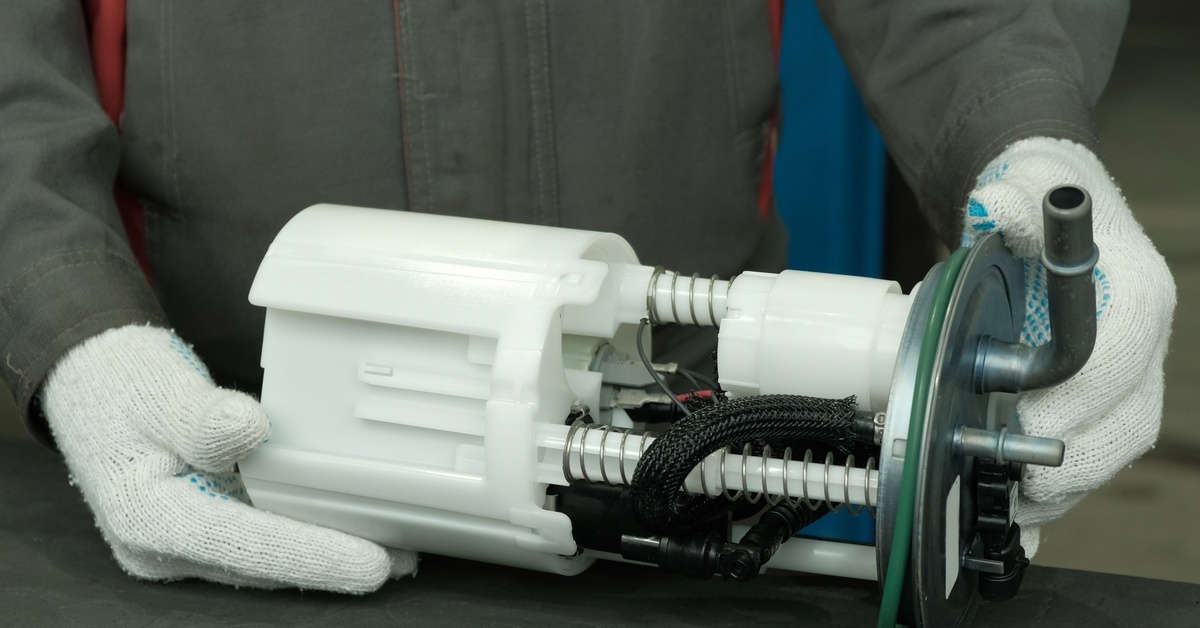
A powerful engine demands a fuel pump that can maintain pressure under stress. Many builds rely on a single pump that struggles to support higher boost levels or extended wide-open throttle runs. When pressure drops, the air-fuel ratio goes off target, and performance suffers immediately.
Turbocharged setups exacerbate this issue because boost rapidly increases fuel demand. A pump that works fine at low boost can fall flat when the system ramps up under load. Builders need to match pump capacity to peak demand rather than average use.
Your fuel pump selection also affects long-term durability. A pump that constantly runs at its limit heats up and wears out quickly. Choosing a higher-capacity system reduces strain and keeps the fuel delivery consistent during hard driving.
Poor Fuel Line Sizing
Another common mistake in high-performance fuel design is poor fuel line sizing. Although they might not grab your attention like a polished intake manifold, they play a critical role in performance. Lines that restrict flow create pressure drops, limiting how much fuel reaches the engine. That restriction becomes more noticeable as horsepower climbs.
High-performance setups require larger-diameter lines to support increased volume. Builders often overlook this step, assuming stock lines will handle the upgrade. That assumption leads to inconsistent fueling and frustrating tuning issues.
Routing also matters just as much as size. Sharp bends and unnecessary length reduce efficiency and increase resistance. Clean routing with proper sizing ensures the system delivers fuel smoothly to support aggressive engine combinations.
Skipping Proper Fuel Pressure Regulation
Fuel pressure regulators control how the system responds to changing engine demands. Without proper regulation, pressure fluctuates, and the engine receives inconsistent fuel delivery. That inconsistency makes tuning difficult and reduces overall performance.
Boosted engines require rising-rate regulators that adjust pressure alongside boost levels. A fixed regulator cannot keep up with the demands of turbochargers or superchargers under load. Matching the regulator to the setup keeps fueling predictable and stable.
Regulator placement also influences system performance. Mounting it in the correct location ensures accurate pressure readings and proper return flow. A well-designed setup maintains steady pressure and allows the engine to perform at its best.
Overlooking Fuel Quality and Compatibility

High-performance engines demand more than just volume; they require the right type of fuel. Running low-quality fuel in a high-compression or boosted setup invites detonation and power loss. Even the best components cannot compensate for poor fuel choice.
Different fuels require different system considerations. For example, ethanol blends require greater volumes and compatible materials throughout the system. Ignoring compatibility leads to corrosion, clogged injectors, and premature failure.
Fuel choice also affects tuning strategy and overall efficiency. Matching the fuel to the engine build allows the combination to perform safely and consistently. A thoughtful approach to fuel quality prevents avoidable issues and supports long-term reliability.
Neglecting Proper Filtration
Contaminants in the fuel system can cause serious problems for high-performance builds. Dirt and debris clog injectors and restrict flow, leading to uneven fueling and potential engine damage. A proper filtration setup keeps everything clean and operating smoothly.
Builders sometimes rely on a single filter that cannot handle increased flow rates. High-performance systems benefit from both pre-pump and post-pump filtration to protect critical components. This layered approach ensures consistent fuel delivery under demanding conditions.
Filter maintenance also plays a key role in system health. A clogged filter reduces flow and puts additional strain on the fuel pump. Regular inspections and replacements keep the system functioning at peak performance.
Failing To Account for Heat Management
Heat affects every part of a fuel system, especially in high-performance applications. Fuel temperatures rise under heavy load, reducing density and affecting combustion efficiency. Hot fuel also increases the risk of vapor lock in extreme conditions.
Engine bays with turbochargers or superchargers generate significant heat. Without proper shielding and routing, fuel lines absorb that heat and transfer it throughout the system. Managing the temperature keeps the fuel stable and supports consistent performance.
Builders can address heat issues with insulation, routing strategies, and proper component placement. Keeping fuel cool improves reliability and helps maintain accurate air-fuel ratios. Attention to heat management separates a solid build from one that constantly struggles.
Mismatching Components Across the System
A fuel system works as a complete package, not a collection of individual parts. Mixing components that do not complement each other creates bottlenecks and inefficiencies. Even one weak link can limit the entire setup.
For example, a high-flow fuel pump paired with restrictive lines or undersized injectors wastes potential. The system can only perform as well as its most limited component. Builders need to evaluate every part to ensure compatibility and balance.
Consistency across the system leads to better tuning and stronger performance. Matching components allows the engine to take full advantage of upgrades like improved cylinder heads or aggressive camshafts. A well-balanced setup delivers reliable power without unnecessary complications.
High-performance fuel system design demands careful planning and attention to detail from start to finish. Every component, from injectors to fuel lines, must support the overall goals of the build. Avoiding these common mistakes keeps the engine running strong and prevents costly setbacks.
Scram Speed offers components for high-performance fuel systems that match the demands of serious builds and help eliminate the guesswork. Reach out to us today to give your build the support it needs to perform at its best.