
 US Dollar
Fine-Tuning EFI Systems for Peak Efficiency
Posted by Steve on 14th Apr 2026
Upgrading performance parts always brings more power potential to your ride, but it also raises the stakes for how well everything works together. A bigger camshaft, improved intake manifold, or set of ported cylinder heads can transform an engine, but only if the fuel system keeps up.
Electronic fuel injection (EFI) acts as the control center, managing how air and fuel mix under all conditions. That’s exactly why it’s important to know how to fine-tune EFI systems for peak efficiency. It can make the difference between a build that runs and one that truly performs.
Calibrate Your Fuel Maps With Real Data
Guesswork has no place in EFI tuning. Accurate fuel maps require real-world data from wideband oxygen sensors and dyno pulls. Reading those numbers allows tuners to adjust injector pulse width and achieve consistent combustion under load.
However, different setups demand different approaches. A naturally aspirated engine responds differently from one running turbochargers or superchargers. Boosted applications often require richer mixtures under load to maintain safety and prevent detonation.
Account for Camshaft Behavior
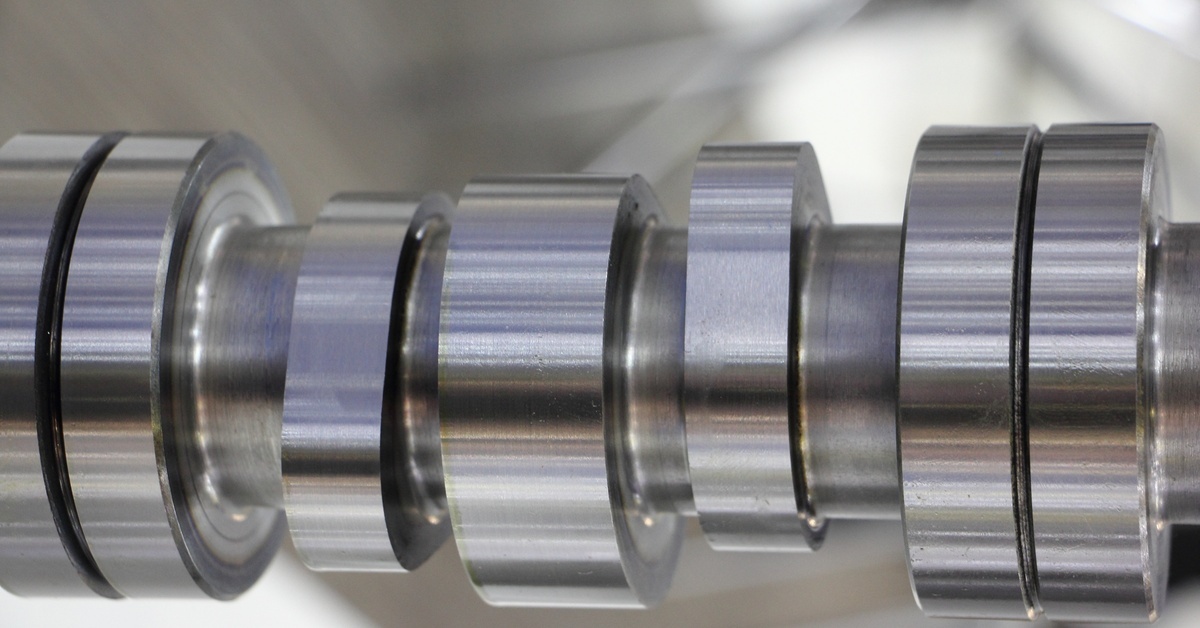
Camshafts introduce personality into an engine, but they also complicate EFI tuning. A large camshaft creates overlap, which affects vacuum and idle stability. That change forces adjustments to idle fueling and timing tables.
EFI systems allow tuners to compensate for those quirks. Adjusting idle air control and fueling strategies helps stabilize engines with aggressive cam profiles. Without those changes, even the best camshaft setup can feel rough and unpredictable.
Throttle response also changes with cam selection. Engines with larger cams often require more careful tuning during tip-in and low-speed driving. Smoothing out those transitions makes the car feel more controlled without sacrificing the performance gains the cam delivers.
Optimize Injector Sizing and Duty Cycle
Injectors serve as the gatekeepers of fuel delivery, and their sizing plays a major role in efficiency. Oversized injectors can make low-speed tuning difficult, while undersized ones struggle to keep up at higher RPMs. The goal is to match injector capacity to the engine’s power output.
Proper tuning also keeps the injector duty cycle in check. Running injectors near their limit reduces reliability and creates inconsistent fueling. A balanced setup ensures smooth idle, crisp throttle response, and strong top-end performance.
Injector characterization also matters more than most expect. Dead time, spray pattern, and fuel pressure all influence injector behavior in real-world conditions. Accounting for those variables helps maintain precise control, especially in builds that combine multiple upgrades.
Fine-Tune Ignition Timing for Maximum Power
Fuel alone does not create power; timing plays an equally important role. Adjusting ignition timing ensures the air-fuel mixture ignites at the optimal moment for maximum cylinder pressure. That precise timing translates directly into efficiency and horsepower.
Aggressive timing can improve performance, but it requires careful monitoring. Engines running nitrous oxide or forced induction demand more conservative timing to avoid engine damage. Every setup needs its own approach, especially when performance parts change combustion characteristics.
Small timing adjustments often produce noticeable gains. Advancing or slowing timing by even a few degrees can shift how the engine delivers power. Careful testing helps find that sweet spot where performance improves without introducing risk.
Dial In Airflow With Intake and Cylinder Head Upgrades
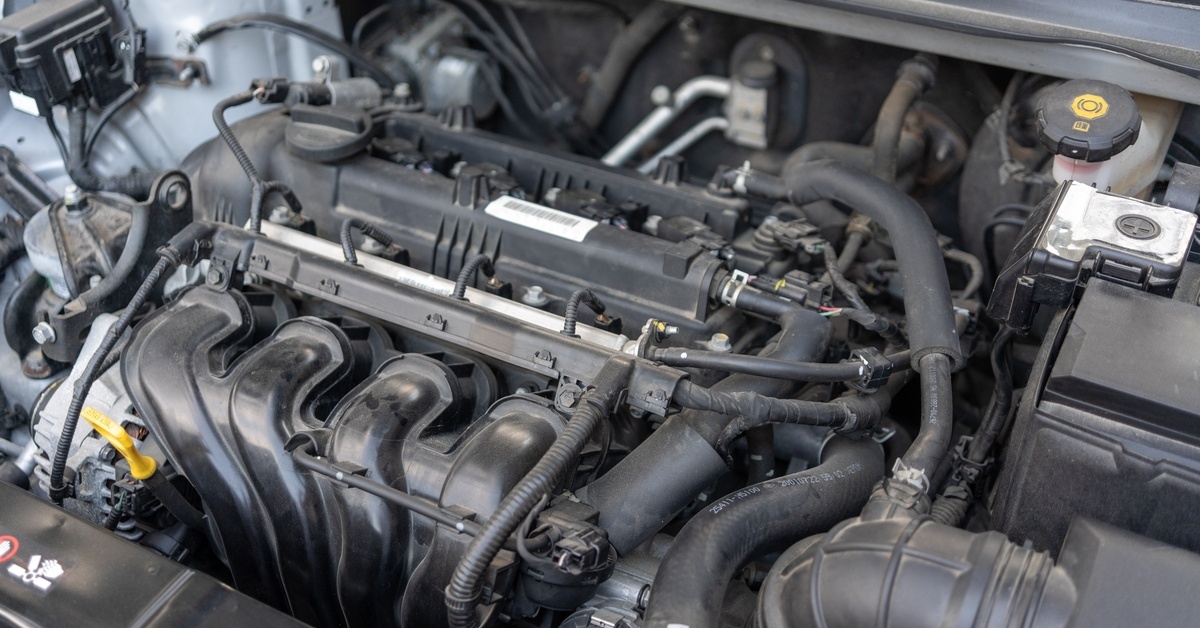
Airflow improvements demand immediate attention from the tuning side. Upgraded intake manifolds and cylinder heads allow engines to breathe more efficiently, but they also shift the engine’s fueling needs. Ignoring those changes wastes the potential of those upgrades.
Proper tuning aligns airflow and fuel delivery across the entire powerband. That alignment ensures smooth transitions from idle to wide-open throttle. Engines respond with sharper throttle response and more consistent output.
Velocity plays just as much of a role as volume. Changes in runner length or port design affect how air moves through the engine at different RPM ranges. A well-tuned EFI system adapts to those changes and keeps performance balanced across the board.
Manage Boost and Fuel Delivery Together
Another tip for fine-tuning EFI systems for peak efficiency is managing both boost and fuel delivery. Boost increases air density, which requires additional fuel to maintain safe operation. EFI systems must adjust fueling dynamically as boost levels change.
Boost control and fuel mapping must work together. Lean conditions under boost can cause catastrophic engine damage. A properly tuned EFI system ensures that fuel delivery scales smoothly with increasing boost pressure.
Boost ramp rate also influences how the engine behaves. A sudden spike in boost demands immediate fueling adjustments, while a gradual increase allows for smoother transitions. Tuning both elements together creates a setup that feels predictable and strong.
Adjust for Nitrous Oxide Applications
Nitrous oxide systems introduce a sudden surge of oxygen into the combustion chamber. That extra oxygen requires additional fuel immediately, or the engine risks running dangerously lean. EFI tuning must account for that change with dedicated enrichment strategies.
Timing adjustments also play a role here. Tuners typically pull timing when nitrous engages to protect the engine. Combining fuel enrichment and timing control ensures the system delivers power safely and consistently.
Activation strategy matters as well. Progressive nitrous systems allow for smoother engagement, which reduces shock to engine components. EFI tuning helps coordinate that delivery, so the added power feels controlled rather than abrupt.
Refine Idle and Part-Throttle Behavior
Peak efficiency does not only matter at wide-open throttle. Smooth idle and part-throttle performance define how the vehicle behaves in real-world driving conditions. Poor tuning in these areas leads to hesitation, stalling, and inconsistent drivability.
Adjusting idle air control, throttle position, and low-load fuel tables creates a more refined driving experience. Even aggressive builds with big cams and forced induction can achieve a stable idle with the right calibration.
Cold starts also fall into this category. Engines require different fueling strategies when temperatures drop. Fine-tuning those conditions ensures reliable starts and smoother warm-up behavior.
Use Dyno Testing to Validate Changes
Tuning without validation leaves performance on the table. Dyno testing provides controlled conditions to measure horsepower, torque, and air-fuel ratios. Those results guide further adjustments and confirm whether changes improve efficiency.
Repeated testing also reveals trends. Small gains add up over time, especially when dialing in multiple variables like timing, fuel, and airflow. The dyno becomes an essential tool for pushing an EFI system to its full potential.
Baseline runs provide valuable context. Knowing where the engine started makes it easier to measure real improvements. That comparison helps identify which changes actually contribute to better performance.
Fine-tuning an EFI system requires attention to detail, a solid understanding of engine behavior, and the right combination of parts and data. From camshafts to turbochargers, every component influences how fuel and air interact inside the engine. Precision tuning transforms those components into a cohesive system that delivers both power and efficiency.
Scram Speed offers the EFI performance tuning tools and expertise needed to bring everything together. Reach out to us today to learn how we can help you build smarter, stronger setups.