
 US Dollar
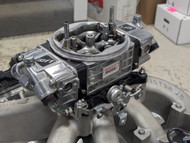
How To Keep Racing Carburetors in Top Form
Posted by Steve on 23rd Mar 2026
Racing carburetors play a critical role in how a performance engine responds and delivers power. They may look simple compared to modern systems, but they demand careful attention to stay sharp and consistent.
When tuned correctly, they support everything from aggressive camshafts to engines running boost or nitrous. Knowing how to keep racing carburetors in top form helps ensure reliable performance every time the throttle opens.
Keep the Fuel System Immaculately Clean
Dirt and debris can sabotage your performance faster than a bad shift. Racing carburetors rely on precise fuel metering, and even a tiny speck of trash can clog a jet or hang up a needle and seat. High-performance engines with big cylinder heads and aggressive camshafts move serious air, so they demand clean, uninterrupted fuel flow to match.
Install quality fuel filters before and after the pump and inspect them regularly. Drain the bowls if the car sits for extended periods, especially when using racing fuel that can leave residue. Clean fuel protects boosters, jets, and passages from buildup that ruins consistency at wide-open throttle.
Inspect and Set Float Levels Correctly
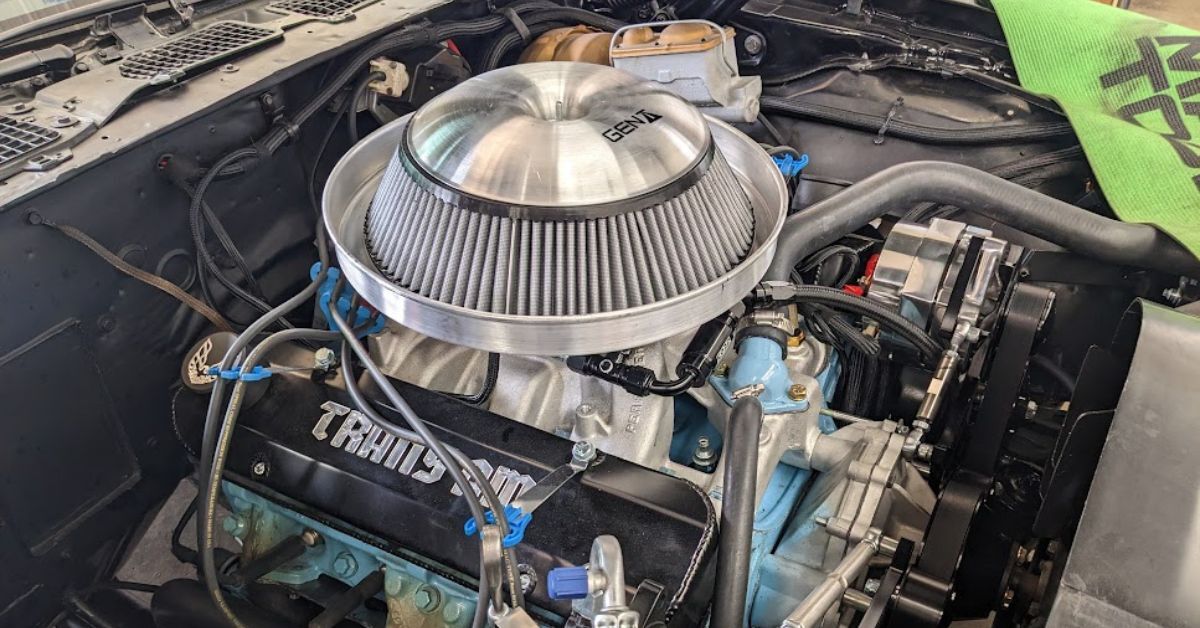
Float level adjustments may not sound glamorous, but they control everything from idle quality to top-end power. A float set too high floods the engine and causes rich stumbles. A float set too low can lean the mixture and risk detonation, especially when a turbo or supercharger forces extra air into the intake manifold.
Check float levels with the engine running and the vehicle level. Watch for steady fuel just at the bottom of the sight plug threads. A correct float height keeps air-fuel ratios stable when nitrous oxide activates or when the engine pulls hard at the top of the RPM range.
Monitor and Replace Worn Gaskets and Seals
Heat cycles and vibration punish carburetor gaskets. Over time, base gaskets, metering block gaskets, and bowl seals compress and shrink. Vacuum leaks creep in and throw off idle tuning, especially in engines with big camshafts that already create choppy idle signals.
Inspect the carburetor base and throttle shaft areas for fuel stains or vacuum leaks. Replace gaskets during routine service instead of waiting for visible failure. Fresh seals maintain a proper vacuum signal to the boosters and help the carb respond cleanly when the throttle blades snap open.
Keep Throttle Linkage and Shafts Moving Freely
Another tip for keeping racing carburetors in top form is keeping the throttle linkage and shafts moving freely. Throttle response separates a sharp race car from a lazy one. Binding linkage or worn throttle shafts delay blade movement, resulting in inconsistent airflow.
Engines equipped with high-flow cylinder heads and large intake manifolds depend on precise throttle control to maintain crisp transitions. Lubricate linkage pivot points and check for excessive play in throttle shafts.
Additionally, confirm that the return springs pull the blades closed without sticking. Smooth, predictable throttle action keeps launches consistent and prevents embarrassing bogs at the starting line.
Match Jetting to Engine Modifications
Jetting should evolve with the engine combination. A camshaft swap, cylinder head upgrade, or intake manifold change alters airflow characteristics. Adding a turbo, supercharger, or nitrous oxide system demands even more fuel to maintain safe air-fuel ratios.
Read spark plugs and monitor wideband oxygen sensor data to dial in jet sizes. Increase the fuel flow when forced induction or nitrous is present, and verify that the power valves open at the correct vacuum levels. Proper jetting protects the pistons and ensures that added airflow translates into real horsepower instead of melted parts.
Check Accelerator Pump Operation
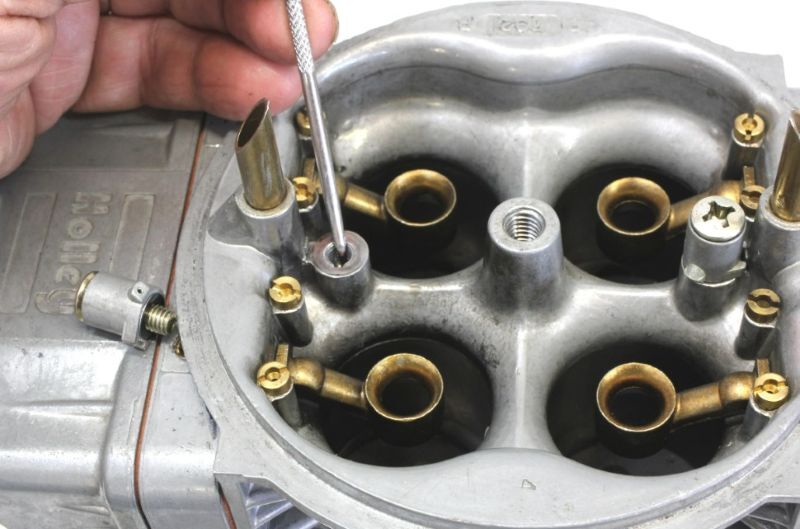
The accelerator pump covers the moment when airflow increases faster than the fuel flow. Without a properly adjusted pump, the engine stumbles when the throttle snaps open. That hesitation feels especially dramatic in engines with large plenum intake manifolds or aggressive camshafts.
Inspect the pump diaphragms for cracks and confirm that the linkage provides a full stroke without binding. Adjust the pump cams and squirter sizes to eliminate off-idle bogs. A healthy accelerator pump delivers crisp throttle response whether the car runs naturally aspirated or with boost.
Verify That the Air Bleeds and Boosters Stay Clear
Air bleeds and boosters control how fuel mixes with incoming air. When debris clogs an air bleed, the carburetor meters fuel incorrectly across the RPM range. Engines with high-flow cylinder heads and large carburetor venturis rely on accurate signal strength at the boosters.
Remove and clean air bleeds carefully using appropriate tools. Avoid shoving random wires into precision passages, as this damages calibrated openings. Clear bleeds and boosters maintain consistent fuel atomization, which supports stable combustion under heavy load.
Maintain Proper Fuel Pressure and Delivery
Wildly fluctuating fuel pressure causes tuning headaches. Too much pressure overwhelms the needle and seat assemblies. Too little pressure starves the bowls during high-RPM pulls, especially when a supercharger or nitrous oxide system increases demand.
Use a quality regulator and verify pressure with a reliable gauge. Monitor fuel delivery during dyno sessions or track passes to ensure that pressure stays consistent at wide-open throttle. A stable fuel supply keeps the carburetor operating within its designed range and protects the engine under extreme conditions.
Synchronize Carburetor and Ignition Timing
Carburetor performance does not live in isolation from ignition timing. Fuel delivery and spark timing must work together, especially in engines running big camshafts, high-compression cylinder heads, or power adders like turbochargers and nitrous oxide. If timing advances too aggressively, the engine can detonate even when the carburetor delivers the correct air-fuel ratio.
Check the base timing and total advance regularly, particularly after making jetting or power valve changes. Verify that mechanical and vacuum advance mechanisms operate smoothly and return correctly. When fuel and spark stay in sync, the engine responds cleanly, pulls hard through the RPM range, and avoids the kind of surprises that end race weekends early.
Prevent Fuel System Issues During Downtime
Extended downtime can cause problems in a racing carburetor, even when the car never leaves the garage. Fuel left sitting in the bowls evaporates, leaving varnish that clogs jets, air bleeds, and idle circuits. Corrosion forms when moisture lingers inside the carb body, especially in humid environments or unheated garages.
Drain the bowls if the vehicle sits for an extended period, and run the engine briefly to clear residual fuel from the passages. Fog the carburetor lightly with a protective lubricant designed for fuel systems to help prevent internal corrosion.
Seal the throttle bores and fuel inlets with caps or clean tape to block dust and debris from entering. Proper downtime prep keeps boosters clean, preserves gasket integrity, and ensures the carburetor responds the same way when the engine fires up, even with high-flow intake manifolds and big cylinder heads on race day.
Racing carburetors reward attention and punish neglect, especially when paired with serious hardware like big camshafts and power adders. Consistent maintenance will keep your throttle response sharp, air-fuel ratios stable, and horsepower reliable at the track. Engines that breathe through carefully matched intake manifolds and rely on precise fuel delivery deserve components that operate at their best.
If you need a new high-performance carburetor for your ride, contact Scram Speed today. We can help keep your build running hard and ready for the next pass.