
 US Dollar
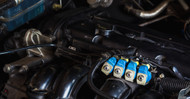
Top Signs Your EFI System Needs Retuning
Posted by Steve on 9th Feb 2026
Even the most reliable electronic fuel injection (EFI) systems require maintenance after plenty of street miles or hard runs at the track. By watching out for both subtle and sudden performance changes, you can prevent future frustration and costly repairs. Discover the top signs your EFI system needs retuning to keep your ride running strong.
Rough Idling
A smooth idle is the sign of a happy engine, but a rough, shaky idle is an immediate red flag that something is wrong! Instead of a steady purr, the engine stumbles, shakes, and feels like it might stall at any moment. This isn't the aggressive, rhythmic chop from a big camshaft that you want; it's an inconsistent shudder that makes the whole car vibrate and tells you the air-fuel mixture is all over the place.
This problem often surfaces after making significant engine upgrades. When you install high-flow cylinder heads or a more aggressive intake manifold, you change the engine's breathing characteristics entirely.
The stock tune is calibrated for the original parts and has no idea how to manage the new airflow, especially at low RPM. The computer struggles to find a stable air-fuel ratio, causing individual cylinders to run lean while others run rich, leading to that choppy, unpredictable idle.
Getting a proper retune allows the EFI system to relearn how to manage the engine with its new parts, smoothing out the idle and restoring drivability. Don't let your high-performance build shake itself apart at a stoplight.
Smoke From the Exhaust

Seeing black smoke billow from the tailpipes might look cool at a diesel truck pull, but on a gasoline engine, it signals a rich condition that burns money and horsepower at the same time. This happens when the fuel injectors dump way more fuel into the cylinders than the air intake can support.
Perhaps someone installed larger fuel injectors without telling the computer, so the ECU thinks it still controls the stock units and pulses them for the same duration. The result is a cylinder awash in gasoline, which washes the oil off the cylinder walls and accelerates ring wear.
That unburnt fuel eventually finds its way into the exhaust system where it destroys catalytic converters and fouls oxygen sensors in record time. Adjusting the injector flow rate constants and the main fuel table brings the air-fuel ratio back to a stoichiometric balance, restoring power and clearing the smoke.
The Odor of Fuel
If your garage smells like a gas station every time you park your car, you have a problem that goes beyond a bad air freshener! That pungent odor of raw gasoline is a classic sign of an engine running excessively rich. Your EFI system is dumping so much fuel into the cylinders that a significant amount fails to combust, getting pushed out the exhaust and into the atmosphere.
This isn't just wasteful; it's a cry for help from your engine's computer, which needs a new map to find its way. A properly tuned engine should have almost no fuel smell once it's warmed up.
This issue often arises when the fuel system's parameters don't match the engine’s actual operation. Maybe you installed larger injectors, and the ECU is still firing them as if they were tiny stock units, resulting in a deluge of gasoline.
This unburnt fuel washes oil from the cylinder walls, accelerating wear on your pistons and rings, and it will quickly destroy expensive oxygen sensors and catalytic converters. A proper retune adjusts the fuel tables to account for your modifications, correcting the air-fuel ratio, eliminating the wasteful rich condition, and eliminating that fuel odor for good.
The Gas Mileage Drops
Nobody builds a race car for fuel economy, but watching the fuel gauge drop visibly while cruising on the highway indicates a serious efficiency problem. If a car that previously managed decent mileage suddenly guzzles gas like a cargo ship, the tune likely wandered far from optimal.
This often occurs when the oxygen sensors fail, forcing the ECU into open loop mode. In open loop, the computer ignores sensor feedback and runs a predetermined, overly rich safety map to prevent engine damage.
A bad tune might also lack a proper deceleration fuel cutoff setting. This feature shuts off the fuel injectors when the car coasts in gear, saving fuel and providing engine braking. Without it, the injectors keep spraying fuel even when the engine doesn’t need it, wasting gas and causing popping in the exhaust. Dialing in the cruise range air-fuel ratios and enabling fuel-saving parameters restores a reasonable range to the vehicle, leaving more money for tires and nitrous oxide refills.
Difficulty Starting the Engine
Modern engines should start instantly regardless of the outside temperature, but a poorly tuned EFI system turns every cold morning into a battle of wills. If the engine cranks forever, sputters, dies, and requires constant throttle feathering to stay alive, the cold start enrichment tables need serious work. Engines require a significantly richer mixture when cold because fuel does not vaporize well on cold intake valves and cylinder walls.
Modifications like large fuel injectors or ethanol-based fuels exacerbate this problem significantly. Ethanol requires even more enrichment than gasoline to start in cold weather. If the tuner neglected the cranking fuel and after-start enrichment tables, the engine starves for fuel until it builds enough heat to vaporize the mixture naturally. Properly calibrating these temperature-dependent tables ensures the engine fires up on the first crank, even on freezing mornings.
The Check Engine Light Appears
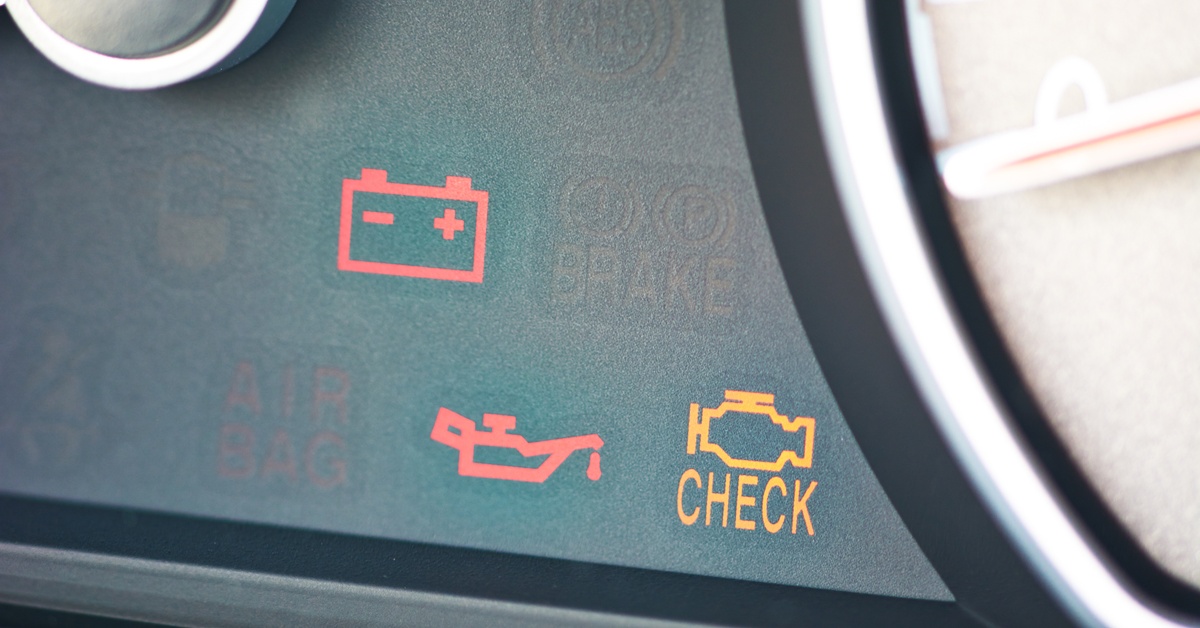
One last sign your EFI system needs retuning is when the check engine light comes on. Although it can light up for a range of issues, consistent codes related to "system too lean" or "system too rich" point directly to tuning deficiencies. These codes mean the ECU has reached the limit of its ability to self-adjust. The short-term and long-term fuel trims have maxed out, and the computer simply cannot add or subtract enough fuel to satisfy the oxygen sensor.
This typically happens when major airflow changes push the engine's requirements outside the narrow window of factory adaptability. For example, a big turbocharger will flow a volume of air that the stock ECU simply can't comprehend.
The ECU panics because the parameters it sees do not match its internal model of reality. Resetting the light does nothing; only rewriting the base maps to match the new mechanical reality solves the problem permanently.
Ignoring the clear mechanical warnings your engine screams at you can inevitably lead to melted pistons and empty bank accounts. A properly tuned engine delivers the power, reliability, and drivability that justified buying all those expensive performance parts in the first place.
Fortunately, you do not have to rely on expensive dyno shops or confusing software to get your ride running perfectly. Scram Speed can help you take charge of your engine's destiny today with products like a self-tuning Holley EFI system. Contact us today to learn more about how you can avoid these headaches.