
 US Dollar
Reasons Why Fuel Flow Matters in Racing Engines
Posted by Steve on 14th Jan 2026
When you are pushing a high-performance vehicle to its absolute limit, every single component matters. From the tires gripping the track to the spoiler cutting through the air, it's a symphony of finely tuned parts working in unison.
However, even if you have the biggest, baddest engine on the strip, it can be worthless without the right support system. That is why it is critical to understand the reasons why fuel flow matters in racing engines.
What Exactly Is Fuel Flow?
Let's get this out of the way first. Fuel flow is, quite simply, the volume of fuel that can be delivered to the engine over a specific period. Think of it like a river; a wider, deeper river can move a lot more water than a tiny creek.
In your engine, the fuel lines, pump, filter, and injectors are the riverbed, then the fuel is the water. The goal is to ensure that this "river" is large enough to supply all the fuel your thirsty engine could ever want, exactly when it wants it.
This is not just about having a big fuel pump, either. Every component in the fuel system contributes to the overall flow rate. A restriction anywhere in the line—a clogged filter, an undersized fuel line, or a weak regulator—acts like a dam, holding back performance.
Proper fuel flow means having a complete system, from the tank to the combustion chamber, that can handle the engine's maximum demand without breaking a sweat. It's about delivering a consistent, high-volume stream of fuel under all conditions.
Why Is It So Important to Racing Engines?
Now that you understand what fuel flow is, we can examine the reasons why it matters in racing engines. Let’s explore why fuel flow isn’t just a technical detail, but instead a fundamental part of what makes or breaks your performance on the track.
Improved Engine Performance
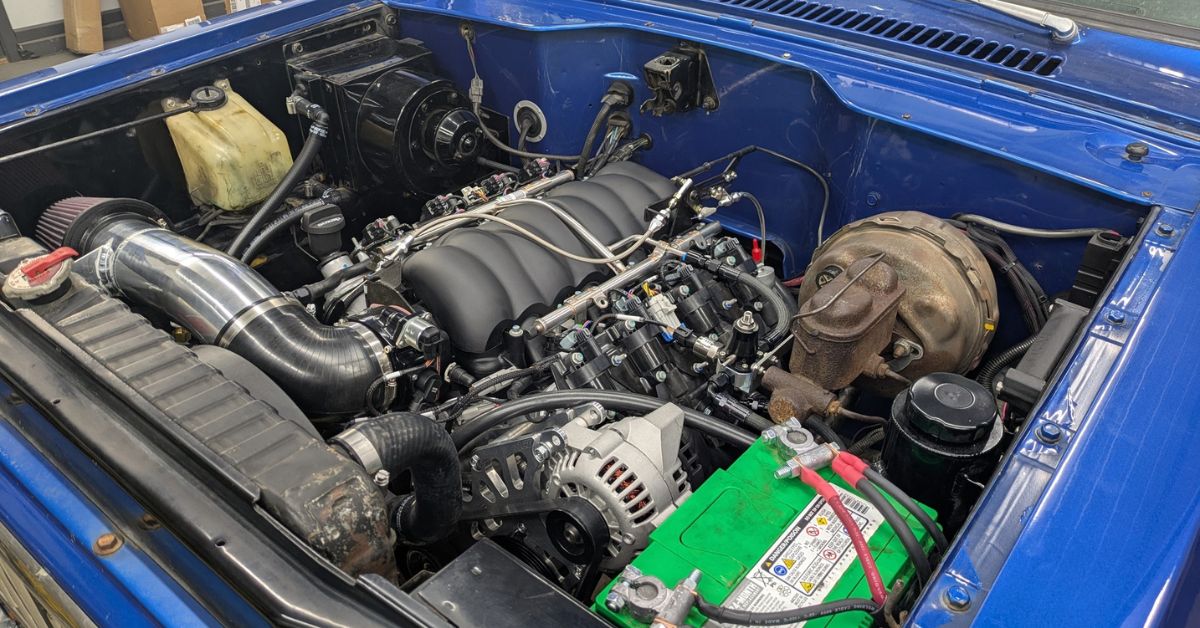
The most direct impact of fuel flow is on horsepower. To make power, an engine needs to burn a precise mixture of air and fuel. If you want to make more power, you need to burn more of that mixture. Forcing more air into an engine with a turbocharger or supercharger is a common way to boost output, but that extra air is useless without a corresponding increase in fuel.
If the fuel system cannot keep up with the engine's demand, it creates a lean air-fuel mixture. This means there is too much air and not enough fuel in the combustion chamber. Ensuring your fuel flow is adequate for your power goals is the first step in building a reliable, potent racing machine.
Prevention of Engine Damage
A lean air-fuel ratio, caused by insufficient fuel flow, dramatically increases combustion temperatures. The excess oxygen in the chamber acts like a blowtorch, causing cylinder head temperatures to skyrocket. This can lead to detonation, also known as engine knock, in which the air-fuel mixture ignites violently and uncontrollably rather than burning smoothly.
Detonation puts immense stress on internal engine components. It can hammer rod bearings, crack piston ring lands, and even melt pistons. In a high-compression or boosted racing engine, the damage can happen in the blink of an eye, turning a six-figure engine build into a pile of costly scrap metal.
Proper fuel flow is the best insurance policy you can have against this kind of catastrophic failure. It keeps combustion temperatures in check and ensures the engine operates safely within its designed parameters.
More Consistency on the Track
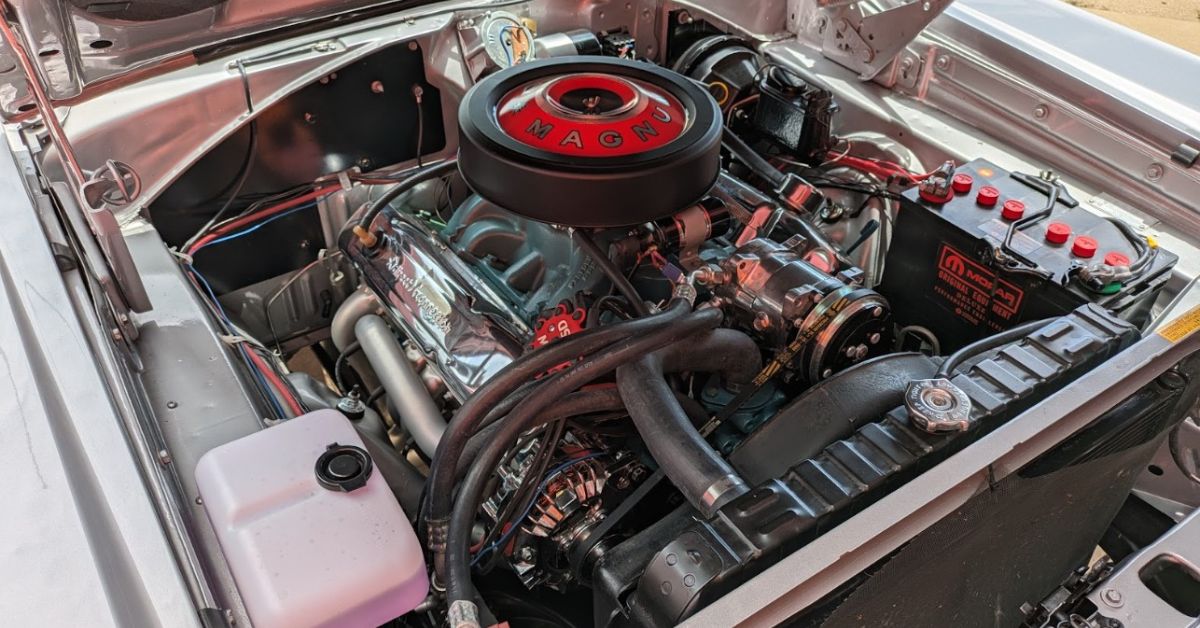
Racing is all about consistency. A fuel system that is on the edge of its capacity is anything but predictable. On one run, it might deliver just enough fuel, but on the next, a slight drop in voltage to the fuel pump or a minor clog could cause it to fall short.
This inconsistency makes it impossible to tune the car properly. Your elapsed times will be all over the place, and you will be left scratching your head in the pits. A robust fuel system with ample flow capacity ensures the engine gets the same precise amount of fuel every time you hit the throttle. This allows you to make predictable, repeatable passes, which is the key to winning races.
Power Adder Support
Modern racing engines often rely on power adders, such as turbochargers, superchargers, or nitrous oxide, to produce incredible horsepower. These systems all have one thing in common: they force a massive amount of additional air into the engine.
As we have established, more air requires more fuel—a lot more fuel! A naturally aspirated engine might be happy with a modest fuel system, but once you add boost, the fuel demand increases exponentially.
A fuel system that was perfectly adequate for a 500-horsepower naturally aspirated engine will be dangerously insufficient for that same engine with 15 pounds of boost. The fuel flow requirements can easily double or even triple. You must plan your fuel system around your ultimate horsepower goals. Skimping here is a recipe for disaster and guarantees you will leave a ton of power on the table.
Fuel Pressure Stability
Fuel flow and fuel pressure are two sides of the same coin. A fuel system must maintain stable pressure at the injectors or carburetor under all conditions, especially at wide-open throttle. If the fuel flow is insufficient, the fuel pump will be unable to keep up with demand, resulting in a drop in fuel pressure. This drop immediately leads to a lean condition.
A quality fuel pressure regulator is essential, but it can only work with what it is given. If the flow from the pump is not enough, the regulator cannot magically create more pressure. It is like trying to use a fire hose connected to a garden spigot. Ensuring your fuel pump and lines can flow significantly more fuel than the engine requires is the only way to guarantee rock-solid fuel pressure from the starting line to the finish line.
A high-performance engine is a complex and demanding beast that needs a steady diet of fuel to perform its best. Paying close attention to the reasons why fuel flow matters in racing engines is what separates the winners from those watching from the sidelines.
Your engine deserves a fuel system that can keep up with your ambitions. At Scram Speed, we have the high-performance fuel systems you need to unlock your engine’s true potential. Contact us today so that we can help you give your race car the fuel flow it demands.